Apples, from blossom to bite.
Choosing a tree, finding it a partner, pruning, picking and storing, and the odd moth. Every fact here is checked against the Royal Horticultural Society, the UK’s National Fruit Collection, Encyclopaedia Britannica, the National Trust and Common Ground. Play matchmaker in the orchard, pick a rootstock, and meet Useless, an eraser who once tried to graft itself onto a pencil.
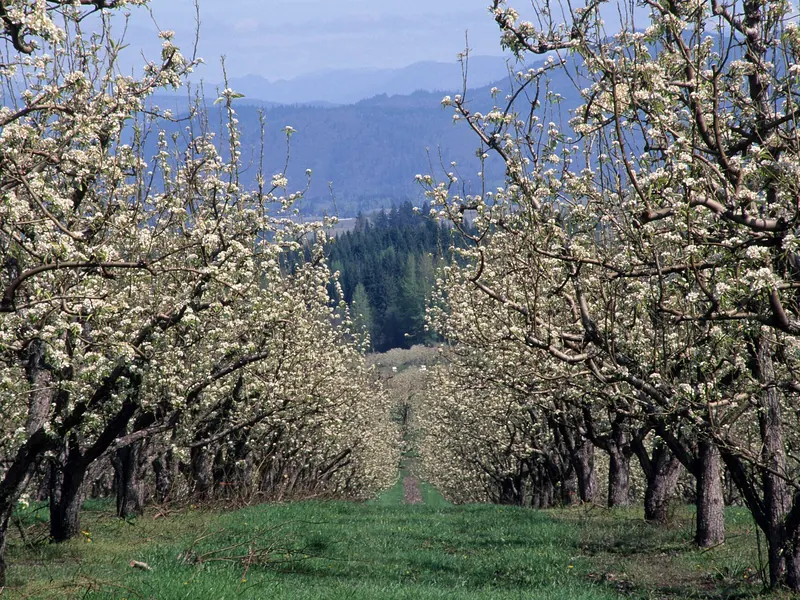
Blossom Match
Every tree in this garden needs a partner that’s in blossom at the same time, or the bees have nothing to carry. Pick the right partner from the RHS flowering groups and watch your garden blossom, buzz and fruit. Watch out for triploids, and for one famous pair that won’t work together.
Every flowering group, triploid and clash in the game comes from the RHS apple pollination chart RHS: Apple pollination groups (PDF). The garden, the bees and the scores are made up by the game.
The short version
The RHS calls apples probably the easiest and most popular tree fruit to grow. RHS: How to grow apples An apple tree gives you spring blossom, dappled summer shade and a crop of fruit in autumn. RHS: How to grow apples
Apple trees are sold as two plants joined together: a rootstock, which controls the tree’s size, and a cultivar, which forms the top. RHS: Stepover training
Most apples need a partner: another variety nearby that flowers at the same time, so insects can carry pollen between them. RHS: How to grow apples Apples are sorted into flowering groups. Grow two or more varieties from the same group or a neighbouring one. RHS: Apple pollination groups (PDF)
Take off only about 10–20% of the canopy in any one winter. Prune too hard and the tree throws up lots of vigorous upright “watershoots”. RHS: Pruning apples made easy
Explore apples
 Choosing a treeDessert, cooker or both, and how to buy one.
 Famous varietiesCox, Bramley, Granny Smith and their stories.
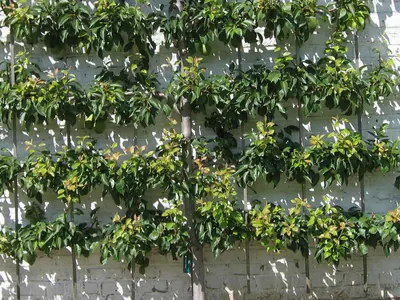 Rootstocks & shapesFrom a stepover to a full standard.
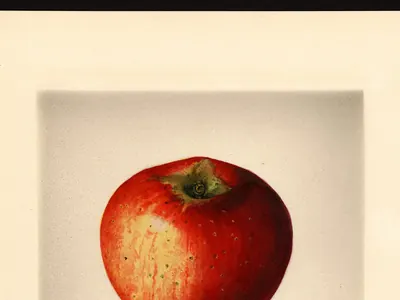 Planting & careSoaking, staking, feeding and pots.
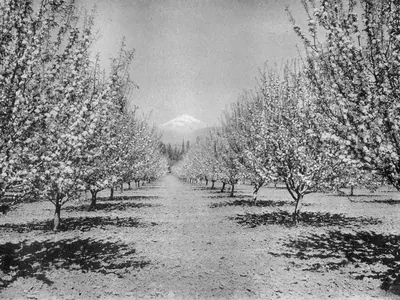 Pollination groupsWho blossoms with whom.
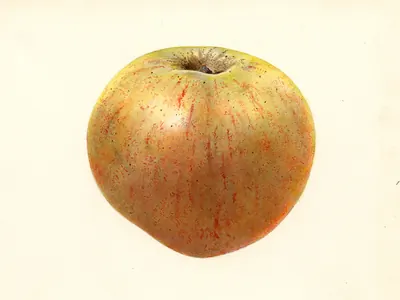 Pruning & thinningWinter, summer and the “king” fruit.
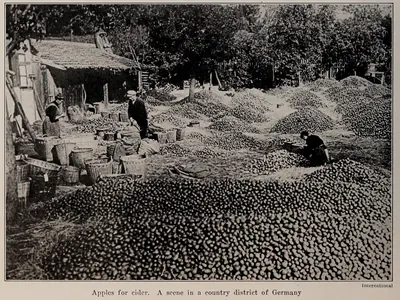 Harvest & storingThe twist test and the 4–7°C store.
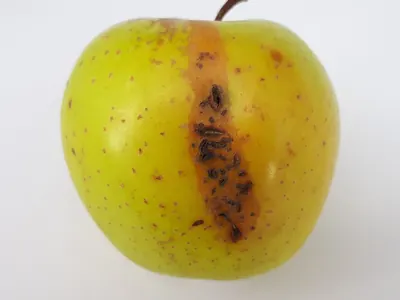 Pests & problemsCodling moth, scab, canker and friends.
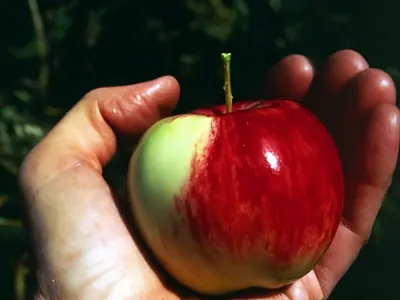 Apple historyFrom the Tien Shan to Newton’s tree.
Tile images are credited on their pages and on the credits page.
Things to play
- Blossom MatchFind each tree a pollination partner and watch the garden fruit.
- Rootstock PickerA pot, a stepover or a giant? Pick the rootstock and watch the tree grow to size.
- Orchard Year DashReal garden jobs, against the clock. Prune it, thin it, pick it or leave it?
- Apple QuizTen questions at a time. Every answer comes with its source.
- Apple PairsA memory game with old USDA apple watercolours.
Enjoying the orchard? Help keep this site growing.
This site is hand-built, fact-checked and free to read. If a fact, a game or one of Useless’s notes made you smile, a little support keeps it going and helps the network grow.
Apple printables
Fact-checked PDFs in A4 and US Letter, sold as instant downloads from the ReallyByte store.
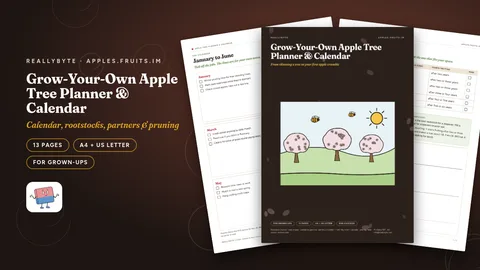
Grow-Your-Own Apple Tree Planner & Calendar
A month-by-month growing calendar, a rootstock chooser, a pollination partner planner, planting and pruning checklists and a tree record, for one tree or a whole orchard
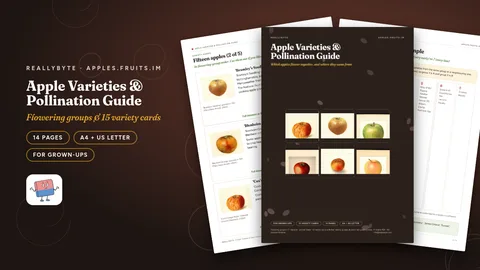
Apple Varieties & Pollination Guide
The RHS flowering groups made simple, a partner-finder worksheet, triploids explained and 15 famous variety cards with their stories and Brogdale blossom dates
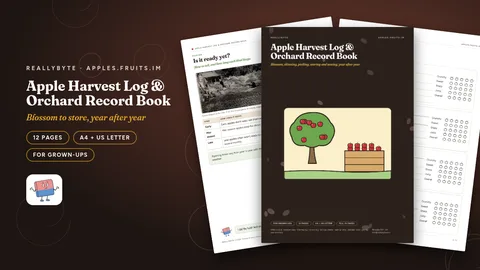
Apple Harvest Log & Orchard Record Book
Blossom diary, thinning log, harvest log, storage checks and tasting notes, year after year
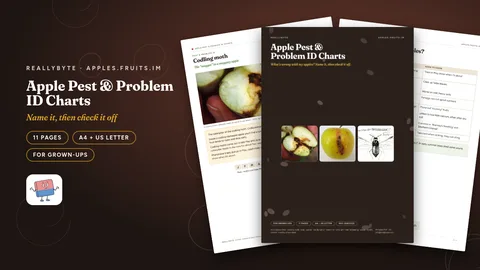
Apple Pest & Problem ID Charts
Codling moth, scab, canker, woolly aphid, brown rot, bitter pit and more: what to look for, when, and what the RHS suggests, plus a garden check sheet
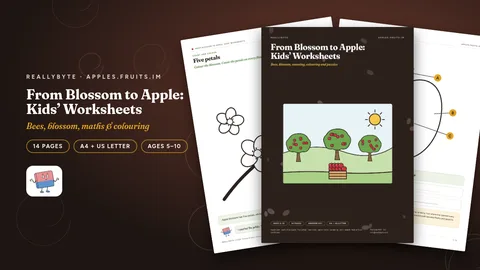
From Blossom to Apple: Kids’ Worksheets
Where apples come from, for ages 5 to 10: the apple year, parts of an apple, bees and blossom, apple maths, a maze and colouring, with answer keys
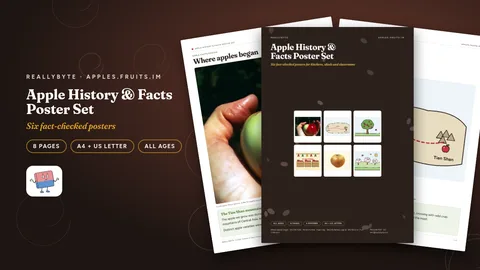
Apple History & Facts Poster Set
Six fact-checked posters, from the Tien Shan mountains to Newton’s tree and Apple Day
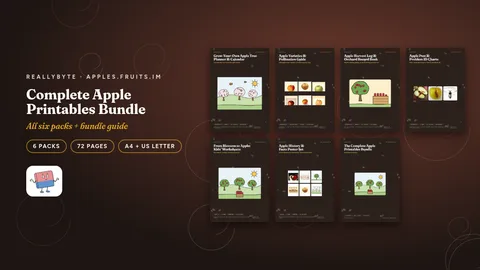 Best value
The Complete Apple Printables Bundle
All six packs plus a guide, A4 and US Letter, in one download.